persimmon

Creating the Fuji Persimmon
for the Community:
Continuing the Founder’s Vision.

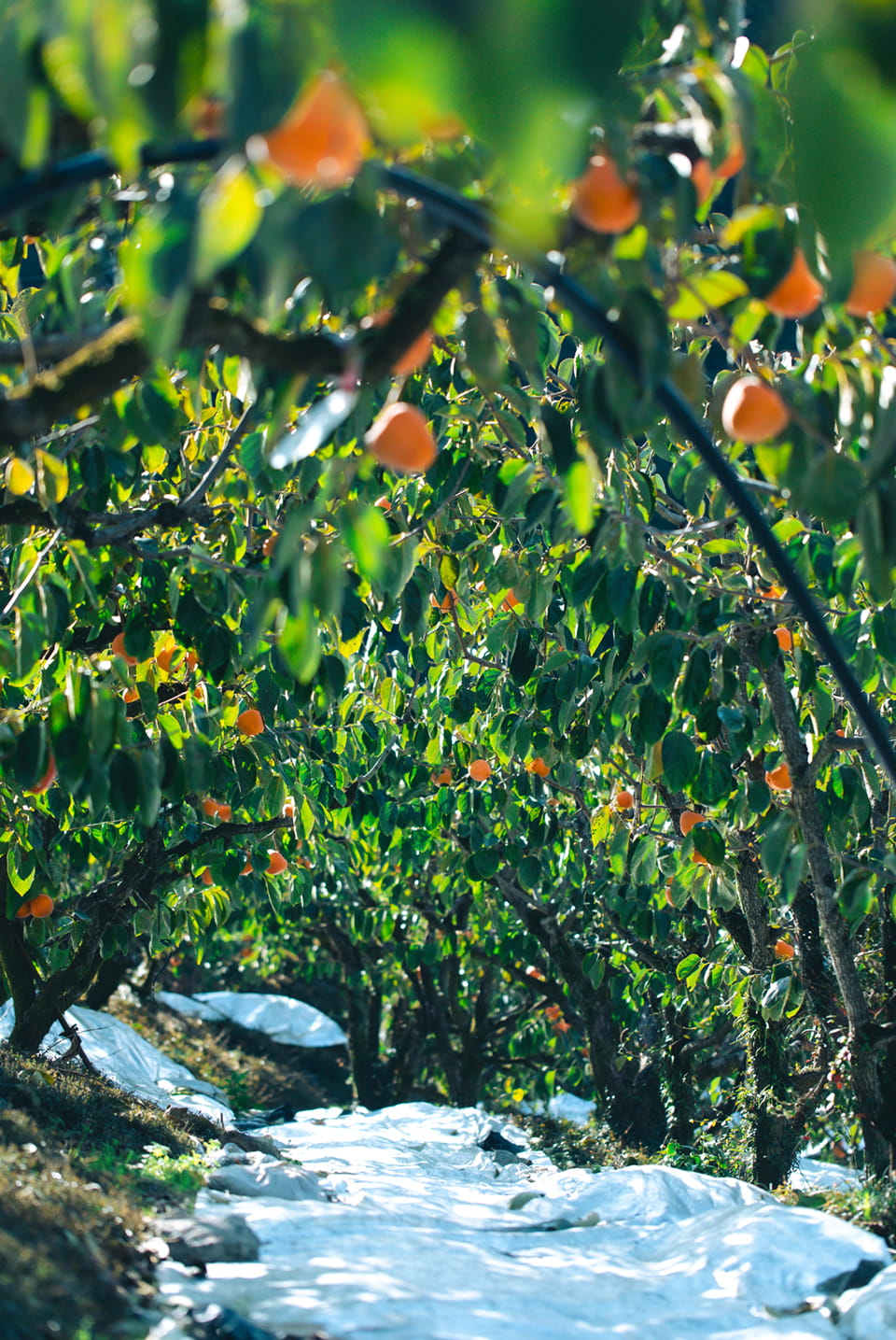
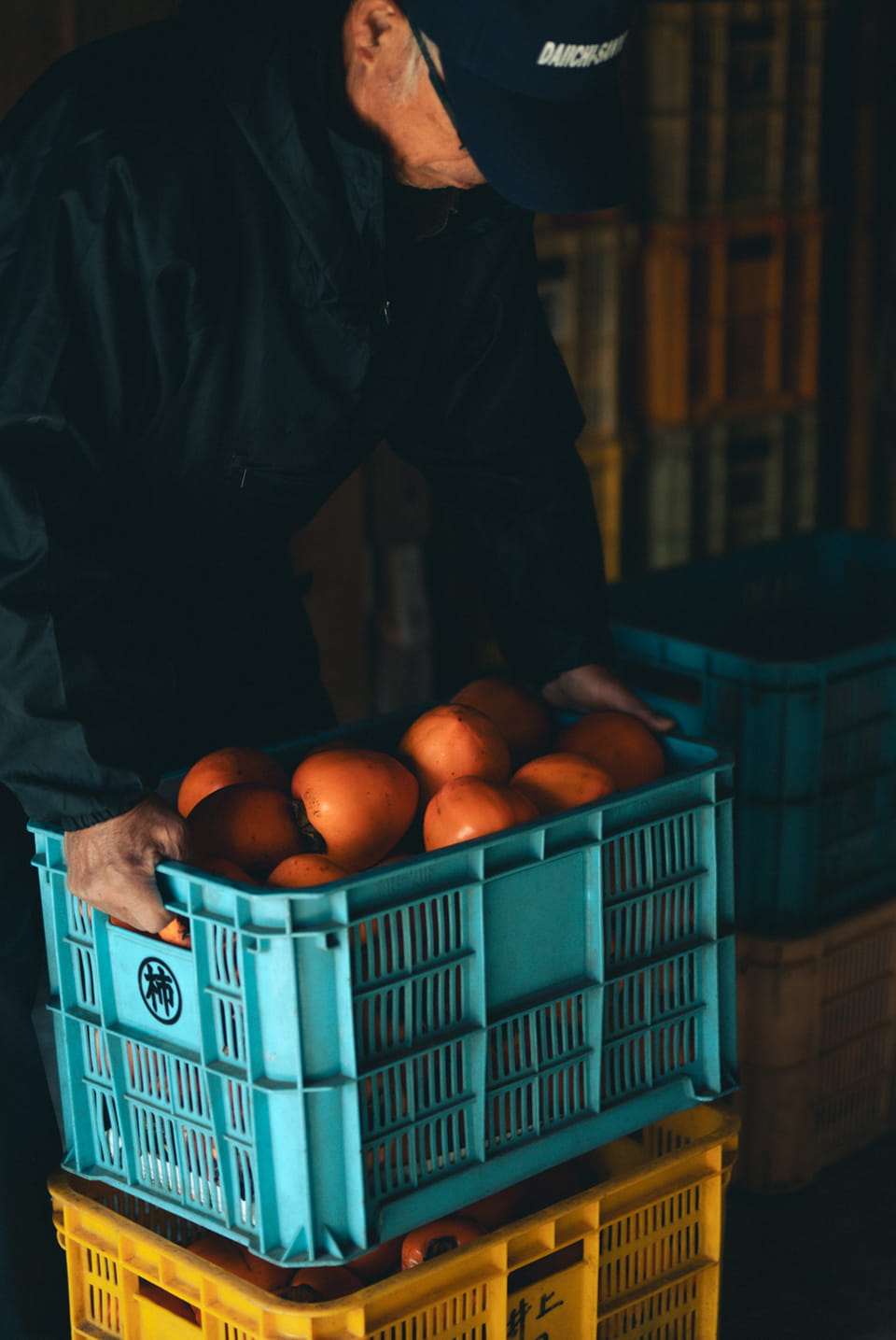
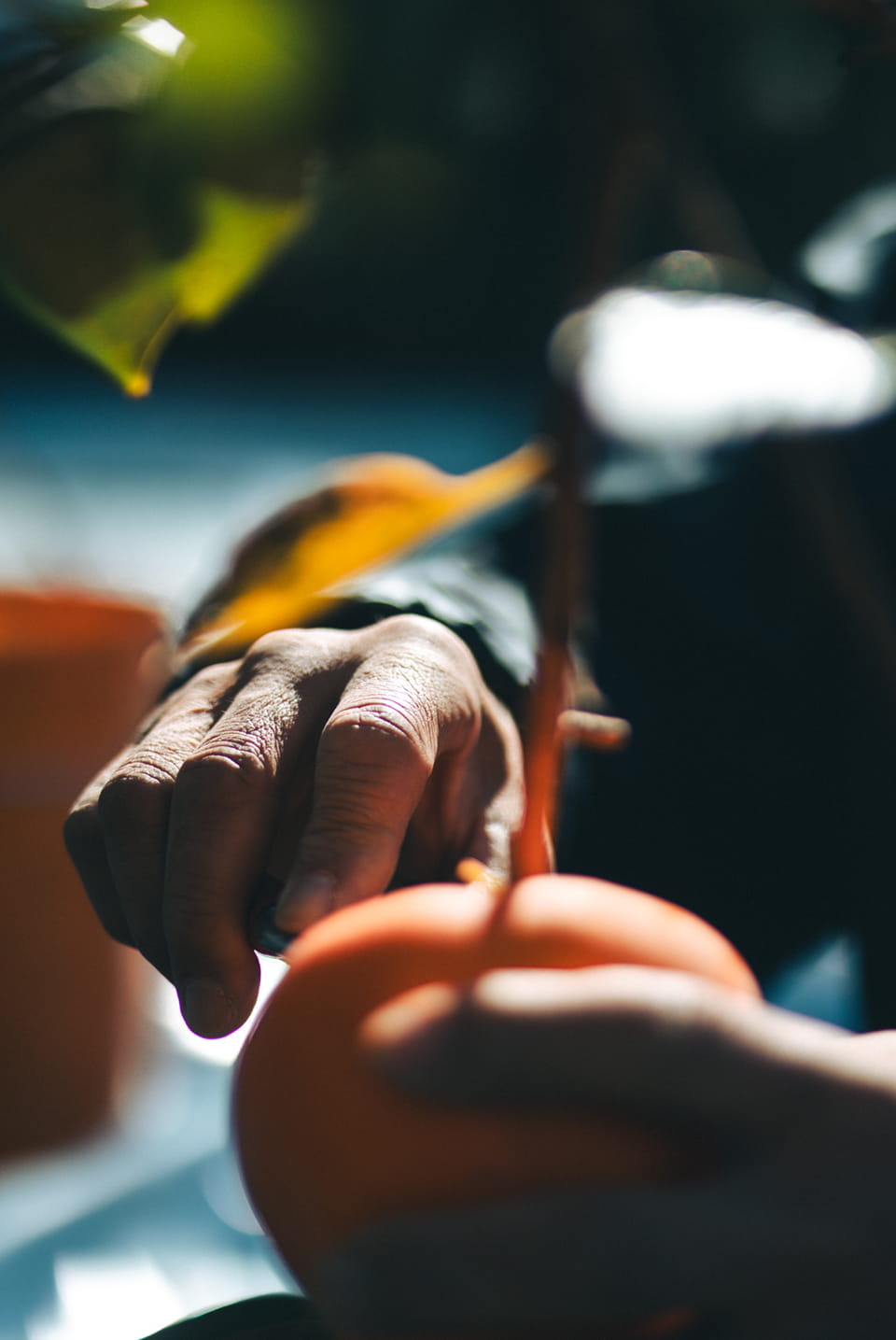
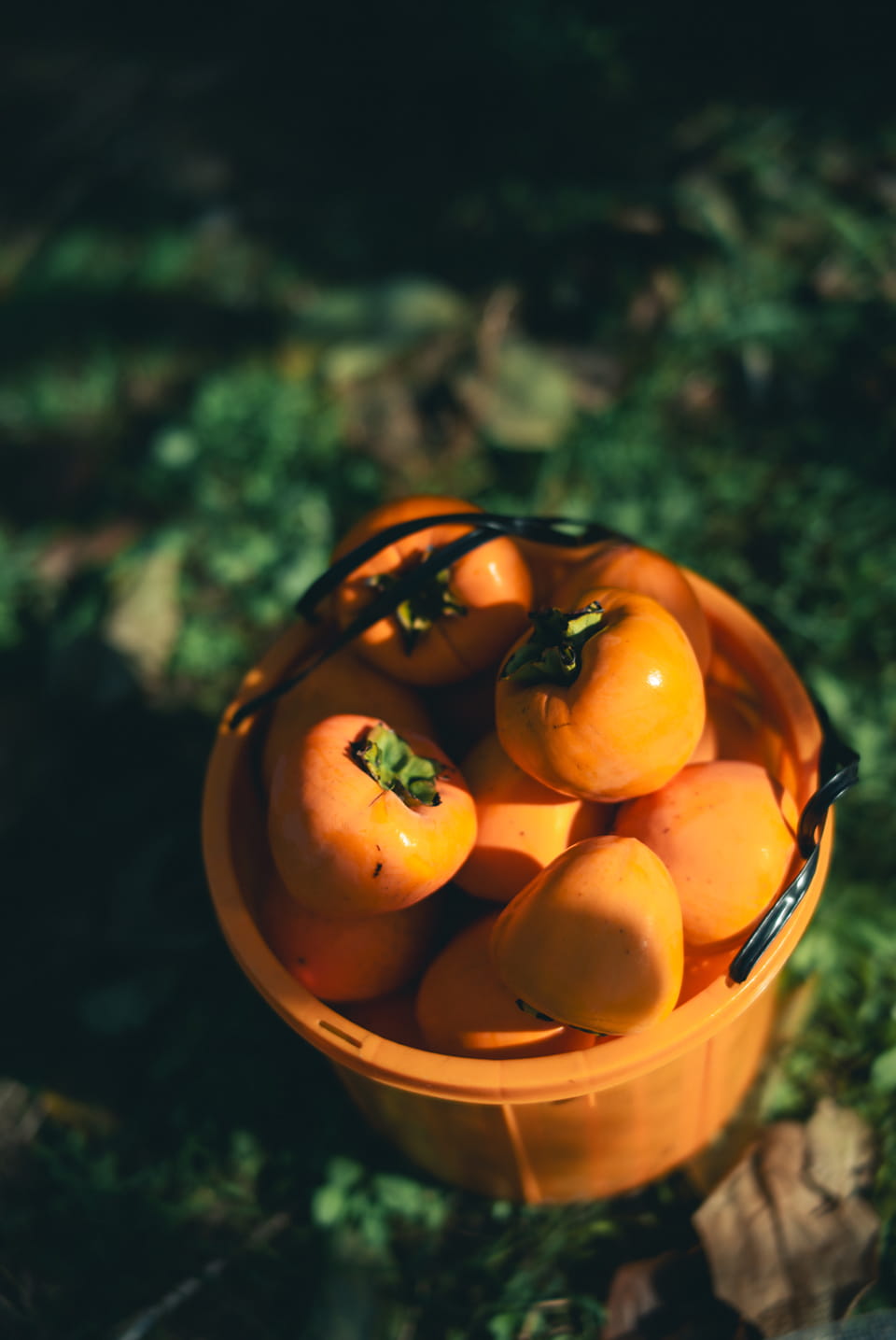
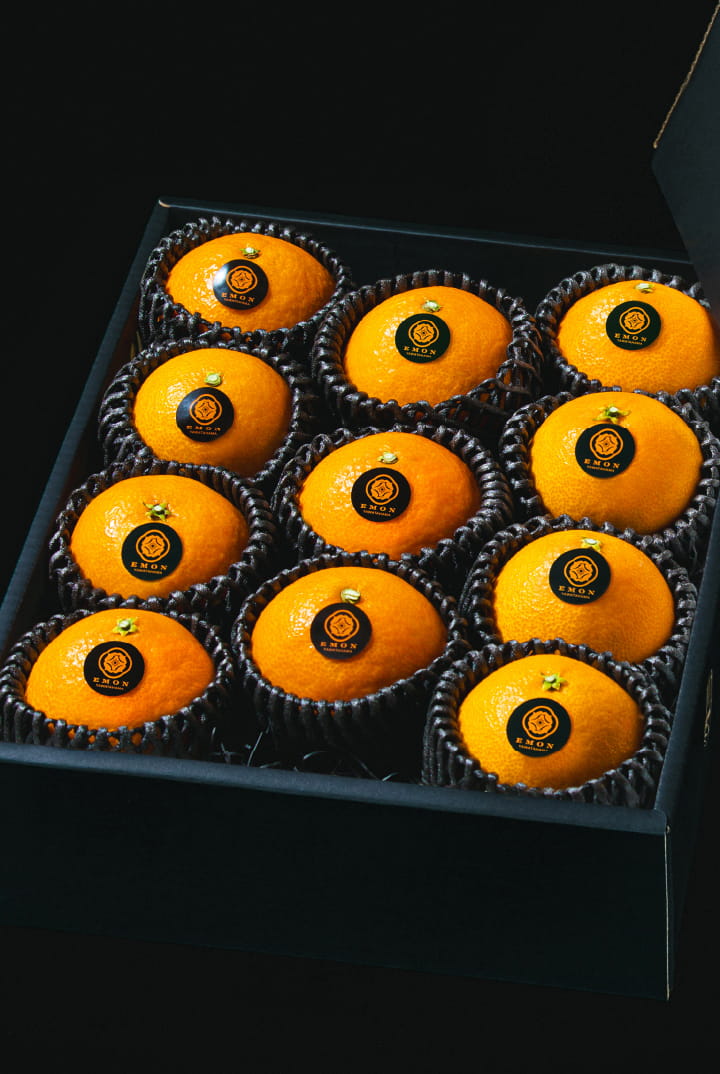
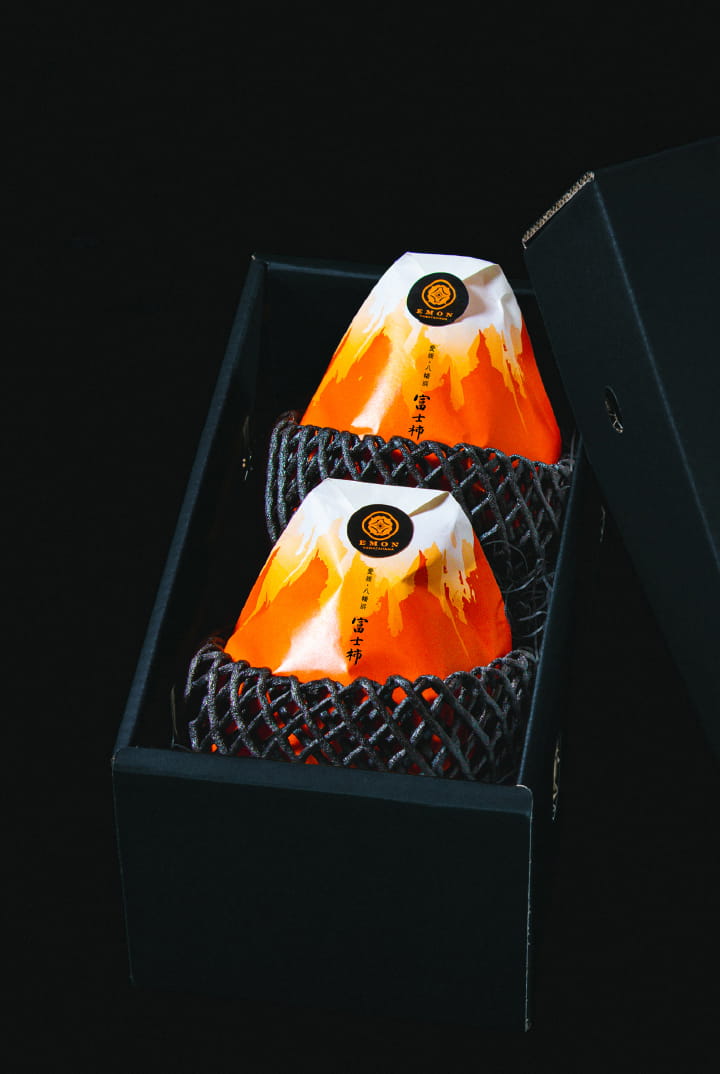
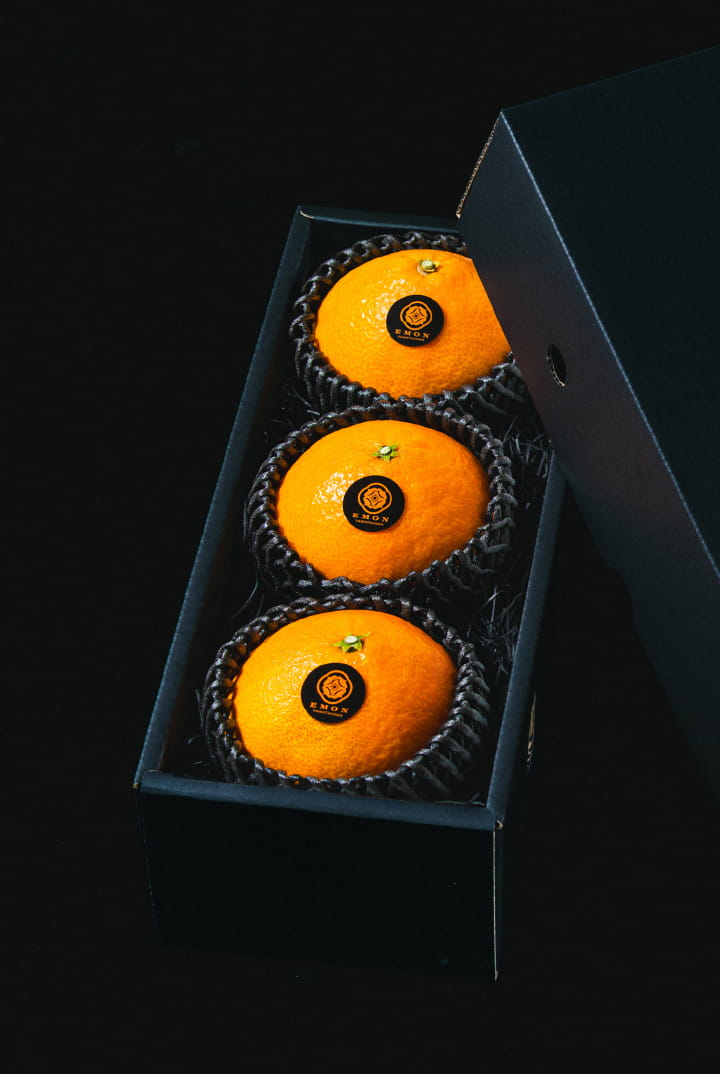
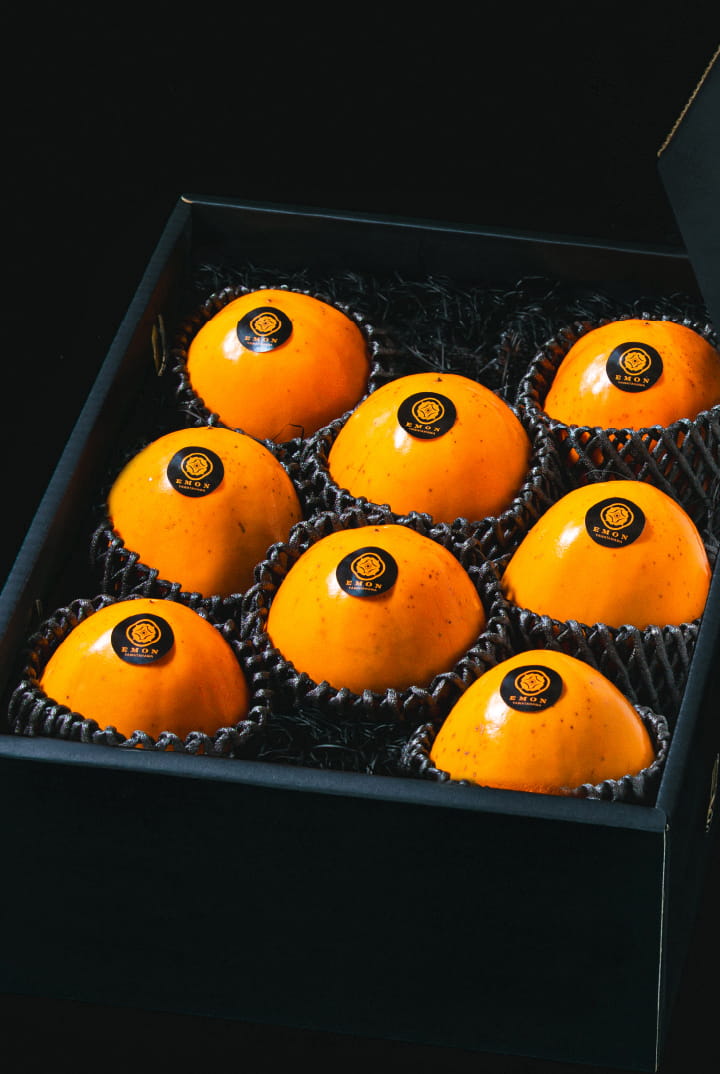
The Fuji Persimmon is a time-honored variety created in the Kunigi district of Yawatahama City, Ehime Prefecture. Its origin traces back to a single persimmon tree grown from a sapling and distributed to commemorate the accession of Emperor Showa. It was Saburoemon Inoue, the founder of Inoue Farm—the predecessor of Emon Farm—who noticed that one branch of that tree bore exceptionally large fruit. The founder carefully grafted that branch, spread it throughout the region, and established a major local industry that continues to this day. With an elegant shape reminiscent of Mount Fuji and a size that ranks among the largest in the world, its majestic presence remains unchanged to this day. Its smooth texture and refined sweetness—a flavor cultivated through history and craftsmanship—make it the perfect choice to enhance special moments.

persimmon

The Best Time to Enjoy
Fuji Persimmons

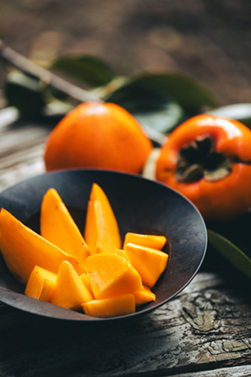
When you receive your Fuji Persimmons, store them at room temperature (below 20°C) and refrigerate just before eating (2–3 hours in advance). For about 3 days after delivery, the Fuji persimmons will be firm and crisp, offering a refreshing, crunchy texture (sugar content approx. 13–15°).

When you receive your Fuji Persimmons, store them at room temperature (below 20°C) and refrigerate just before eating (2–3 hours in advance). For about 3 days after delivery, the Fuji persimmons will be firm and crisp, offering a refreshing, crunchy texture (sugar content approx. 13–15°).

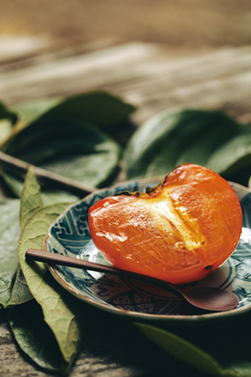
About a week after delivery, the skin will become tender, so scoop out the flesh with a spoon to enjoy its rich sweetness (sugar content approx. 15°C or higher). We also recommend cutting and freezing them to make sorbet. Since heating them causes the astringency to return, they are not suitable for jams or similar uses.

About a week after delivery, the skin will become tender, so scoop out the flesh with a spoon to enjoy its rich sweetness (sugar content approx. 15°C or higher). We also recommend cutting and freezing them to make sorbet. Since heating them causes the astringency to return, they are not suitable for jams or similar uses.

shop

2026.02

View details